
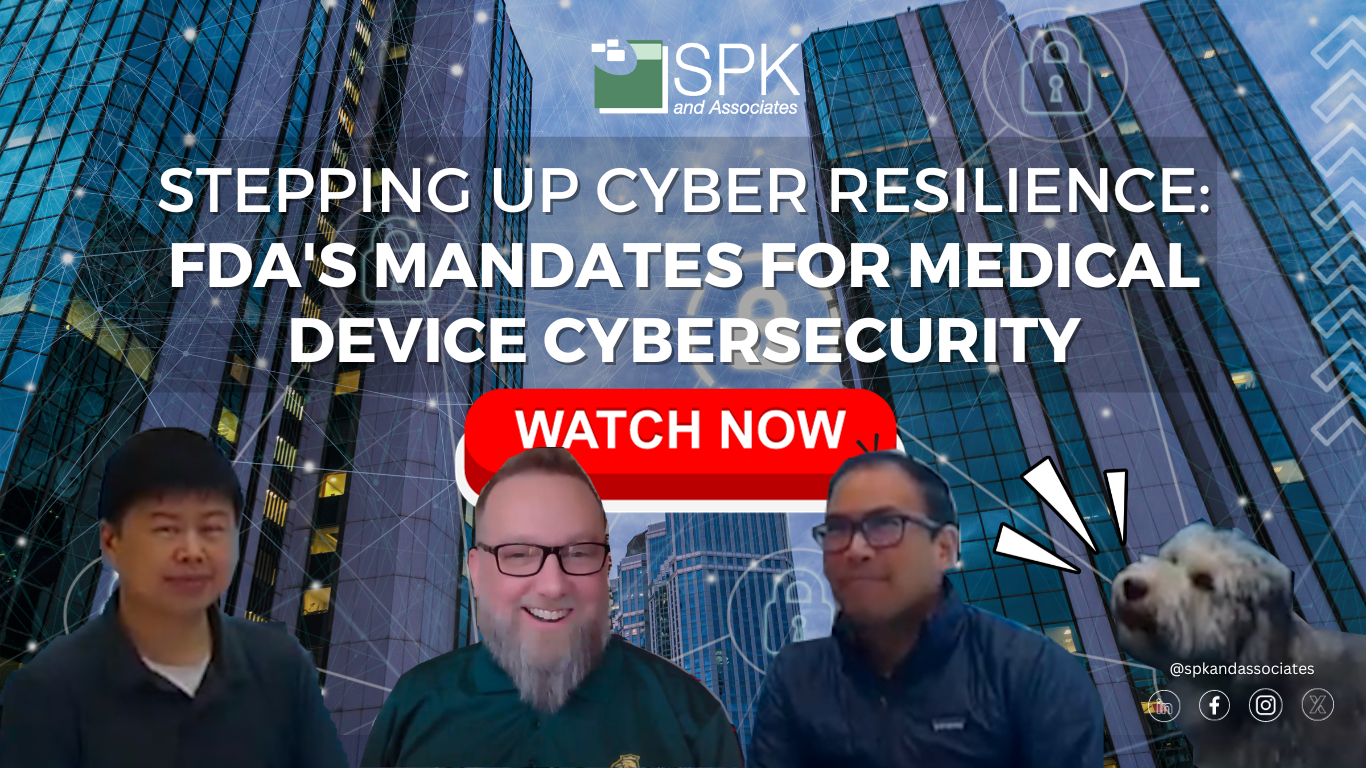

Today, we’re covering an important discussion led by our Vice President of Sales and Marketing, Michael Roberts to discuss the intersection of FDA regulations and medical device cybersecurity.
You can watch the video to get insights in to the full discussion, or check out an overview of the conversation below.
Navigating New FDA Regulations
Recent guidance from the White House ushered in new FDA regulations effective since October 2, 2023. Firstly, these regulations mandate enhanced cybersecurity features for medical devices, including pacemakers and insulin pumps. Secondly, vendors are now required to:
- Fortify security features.
- Identify and mitigate vulnerabilities.
- Create a Software Bill of Materials (SBOM) for a post-sale vulnerability plan.
Why Is An SBOM Important For Medical Device Cybersecurity?
An SBOM is critical for medical device cybersecurity development. Essentially, where various components interact you need to document and understand the layers of software used. For example, take the recent Log4j vulnerability – a surprise for many due to interconnected software. Ed explains:
“Log4j was a big vulnerability in a very common Java library that was included in many products. And then all of a sudden, all these products had this vulnerability and it was a surprise, right? And it’s not anyone’s fault here because, my product uses this software, which uses this software. But, we really need to start writing these down, recording them in a bill of materials so the children of my children of my children’s software, open-source libraries, are correctly being included inside of my vulnerability testing.”
Basically, SBOM ensures a clear record of these components for efficient vulnerability testing. Additionally, when vulnerabilities like Log4j emerge, having a clear SBOM expedites the process of identifying affected products and determining necessary actions.
FDA’s Empowered Stand
Next, with the new guidance, the FDA gains authority to refuse medical devices not meeting cybersecurity guidelines, aiming to prevent vulnerable devices from reaching consumers.
In the pre-2014 era, resistance to regular patching was prevalent due to risk aversion. However, the subsequent guidance in 2014 brought about a positive shift. Furthermore, the recent guidance normalizes regular patching, aligning with industry standards. This new guidance is a positive step. And, although it may add lead time initially, it sets the stage for long-term benefits by proactively addressing vulnerabilities.
Medical Device Cybersecurity Market Entry Impact
The impact of speed to market due to the new mandate varies among companies. You may have already incorporated cybersecurity measures into your timelines, anticipating these changes. However, if you haven’t, it’s crucial to start planning now. Ultimately, this will help you avoid unpleasant surprises and ensure compliance for the benefit of users and the industry.
Broader Initiatives and Business Repercussions
These changes align with the Biden administration’s broader push for increased cybersecurity regulations, emphasizing manufacturers’ responsibility for medical device cybersecurity. Additionally, there are potential repercussions for businesses with vulnerabilities in their products and strategies to mitigate risks. One significant repercussion is decreased customer satisfaction and confidence. To address this, focus on integration testing, ensuring seamless alignment with customer environments. Metrics-wise, meeting product launch timelines remains a top priority for businesses.
Need Support With Your Medical Device Cybersecurity?
The regulatory landscape for medical devices is far from stagnant. And in the video above, our team of experts at SPK provide valuable insights into the intersection of FDA regulations and medical device cybersecurity. If you need support copying with, or understanding the new medical device cybersecurity regulation, contact our team for more information.